
DitLead
Learn Center/AI agents and automation/Create a web scraping agent
how-to

Create a web scraping agent

Use an agent to extract useful data from web sources into DitLead.

7 min read Video recommended

Before you start

  • Know the source you want the agent to inspect and the data you need back.
  • Decide whether the output should create contacts, enrich a list, or simply return research.
  • Use sources you are allowed to access and review outputs before using them.

Steps

Step 1

Open Agents

Go to AI Agents and start a new agent. Choose an AI-assisted or manual setup depending on how much control you need.
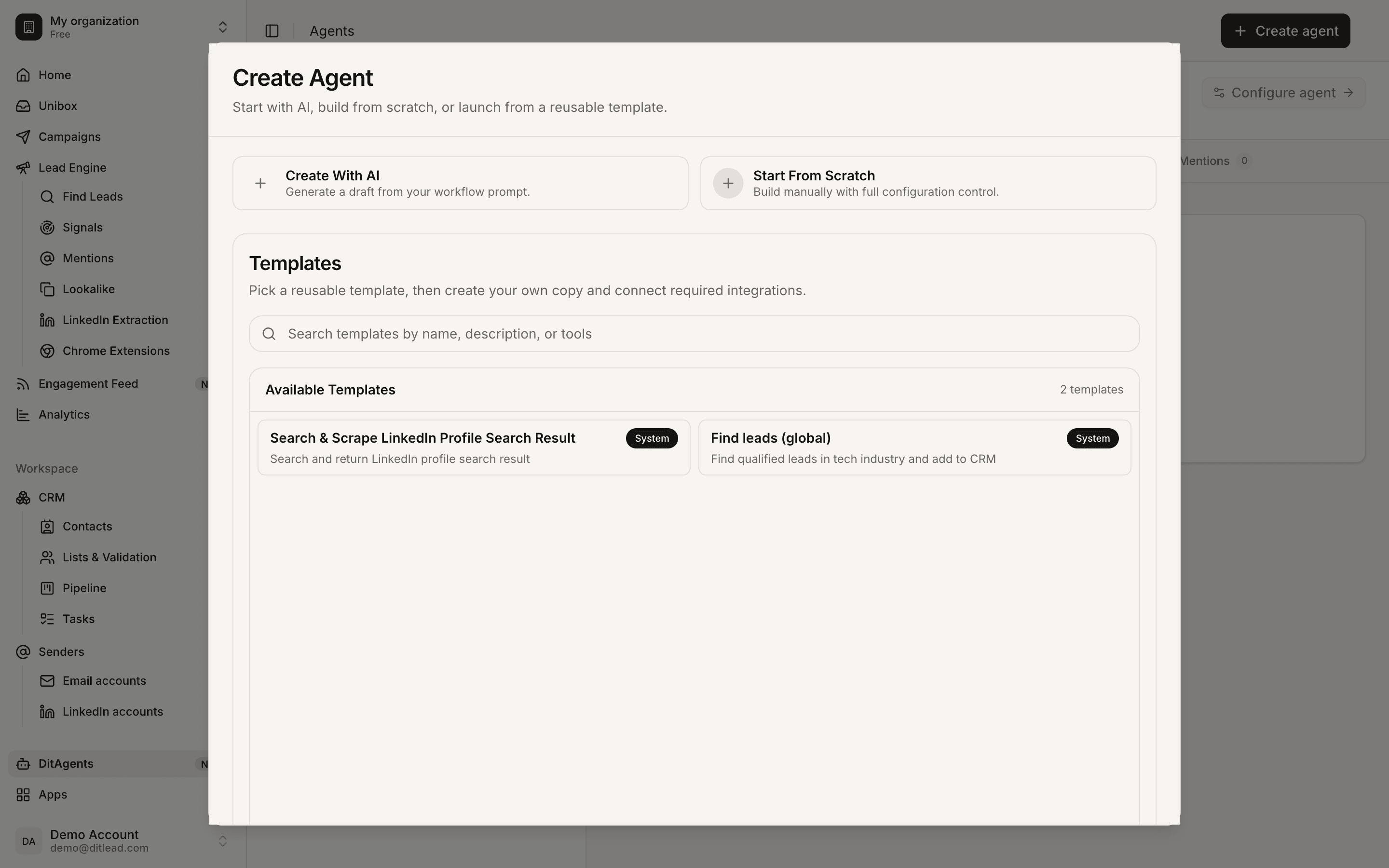
Create a web scraping agent: Agents home screen
Create a web scraping agent
Step 2

Describe the scraping job

Tell DitLead what source to inspect, which fields to extract, and what a useful result should look like.
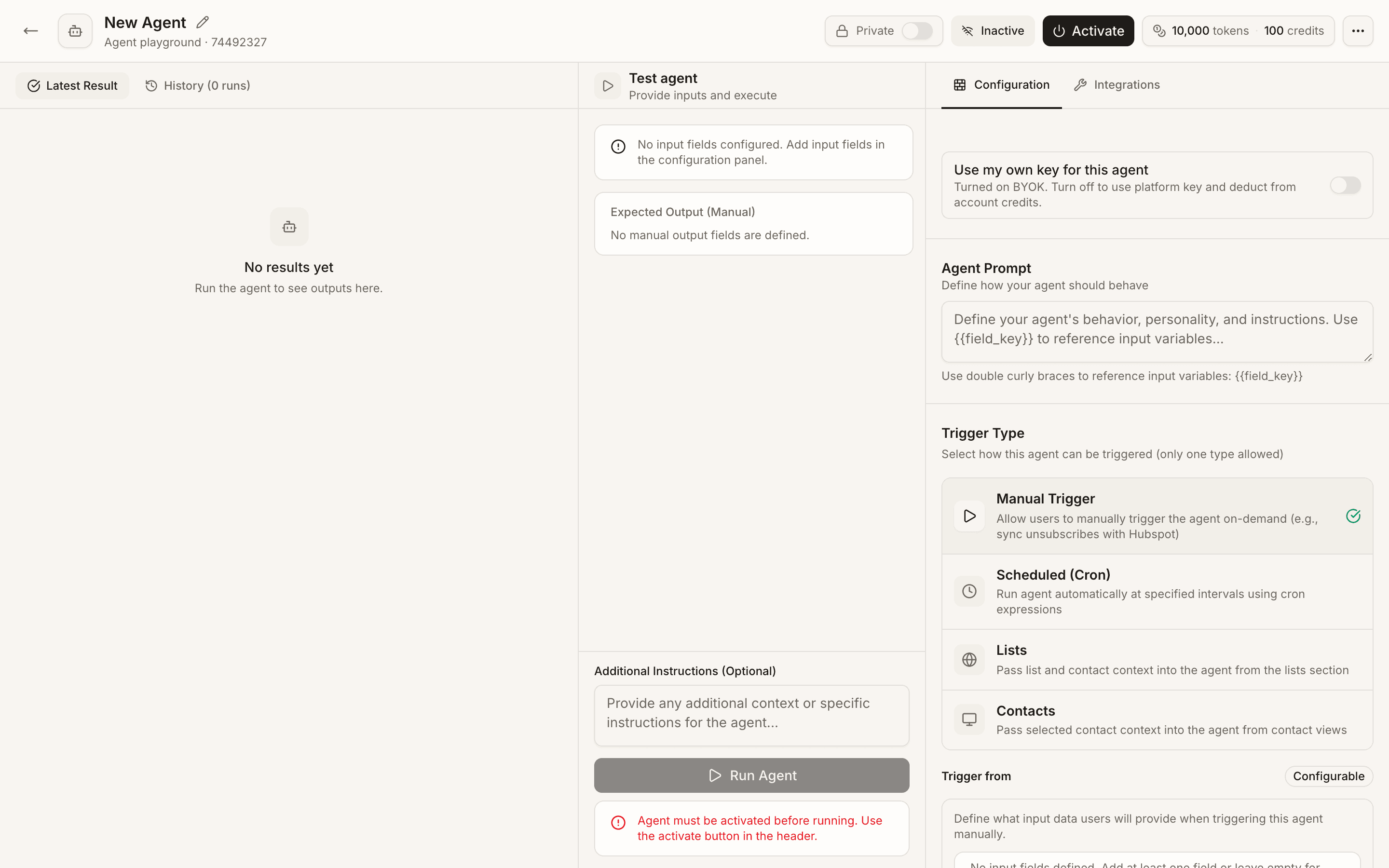
Create a web scraping agent: Agent instruction setup
Create a web scraping agent
Step 3

Choose tools and inputs

Add the web or scraping tools the agent can use, then define required inputs such as domain, URL, company name, or list.
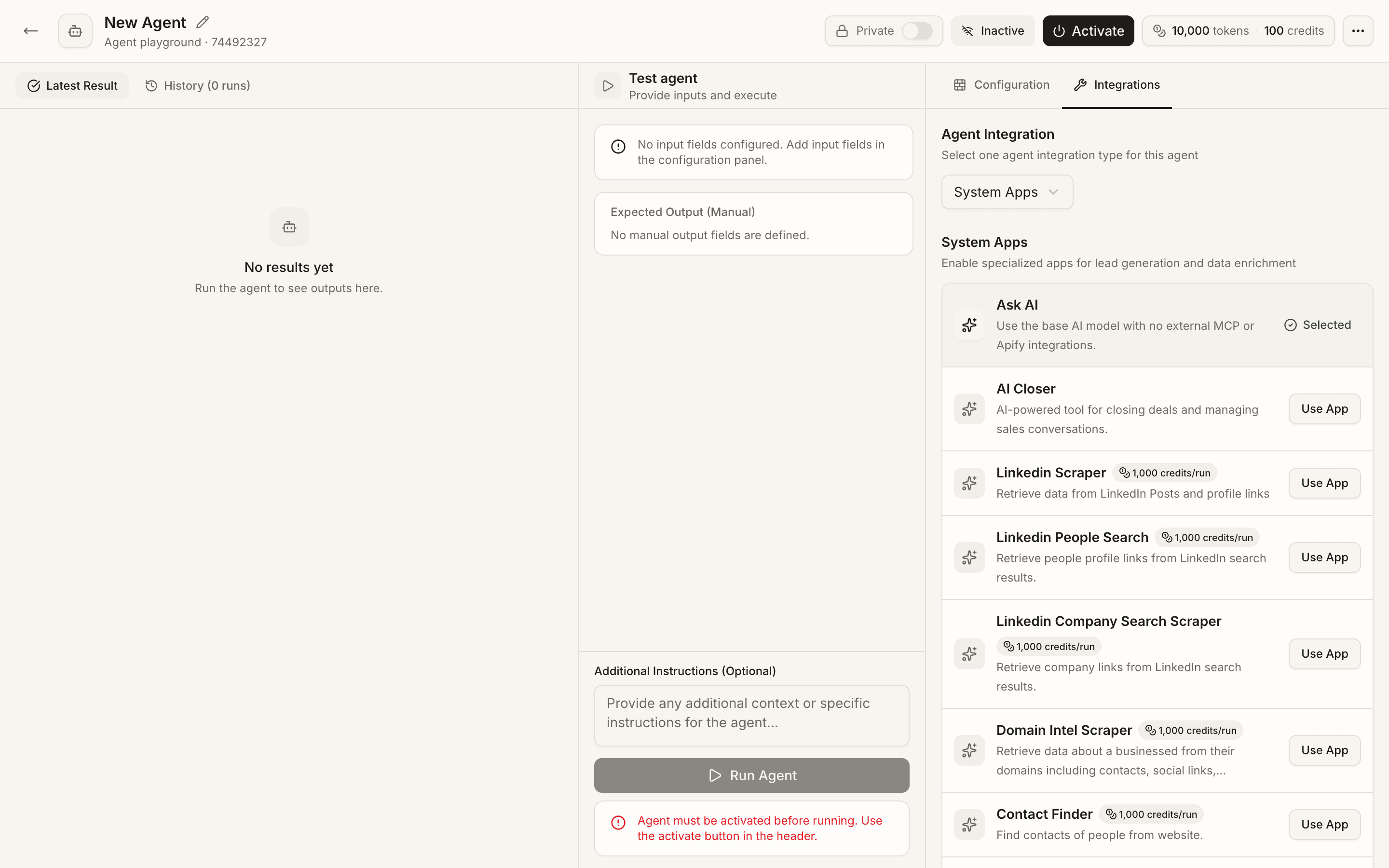
Create a web scraping agent: Agent tools and inputs
Create a web scraping agent
Step 4

Configure output actions

Choose whether the agent should return a table, enrich records, create contacts, or route results for review.

Create a web scraping agent: Output action setup
Create a web scraping agent
Step 5

Run and review

Run the agent on a small sample first. Review the output before approving changes to lists, contacts, campaigns, or CRM data.

Create a web scraping agent: Agent run review
Create a web scraping agent

What happens next

  • Save the agent only after the sample output is useful and predictable.
  • Use run history to audit what the agent saw, produced, and changed.

FAQ

Should agents update my workspace automatically?

Use approvals for sensitive workflows. Let the agent prepare work, then review before changes affect contacts, lists, campaigns, or CRM records.

What if the agent returns empty results?

Improve the source, inputs, and instructions. Empty output usually means the prompt was too broad, the source was unavailable, or the needed data was not present.

Automate workUse agents where review still matters

Let agents research, enrich, or draft work, then review outputs before they affect your workspace.

Learn agents
See it in the productExplore AI Agents